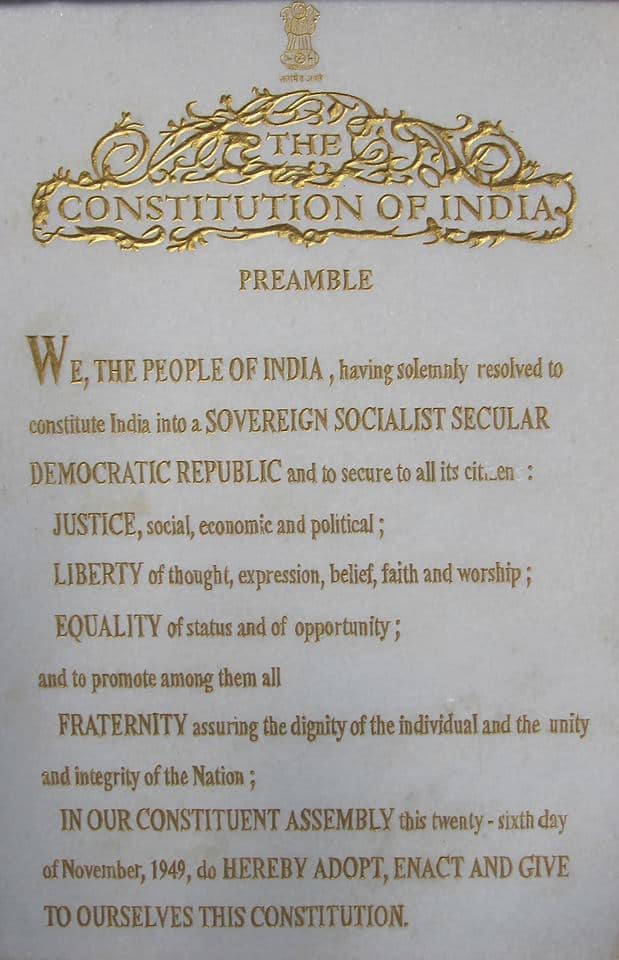
بھارت کا آئین
Article 25 of the Indian Constitution guarantees every person the freedom of conscience and the right to freely profess, practice, and propagate religion.
Key Components
- Freedom of Conscience: The inner freedom of an individual to mold their relation with God or beliefs in any way they choose.
- Right to Profess: The right to declare one’s religious beliefs and faith openly and freely.
- Right to Practice: The right to perform religious worship, rituals, ceremonies, and exhibit beliefs.
- Right to Propagate: The right to transmit and disseminate religious beliefs, though it does not include the right to force or induce a conversion. [1, 2]
Reasonable Restrictions
The rights under Article 25 are not absolute and are subject to Indian Kanoon:
- Public order, morality, and health
- Other provisions of Part III (Fundamental Rights) of the Constitution [1, 2]
State Regulation and Exceptions
- Secular Activities: The state can regulate or restrict economic, financial, political, or other secular activities linked to religious practices. [1]
- Social Welfare: The state can make laws for social reform or open Hindu public religious institutions to all classes and sections of society. [1]
- Sikh Tradition: The wearing and carrying of kirpans is deemed part of the profession of the Sikh religion. [1]
If you’d like, I can provide details on:
- Landmark supreme court cases related to Article 25