
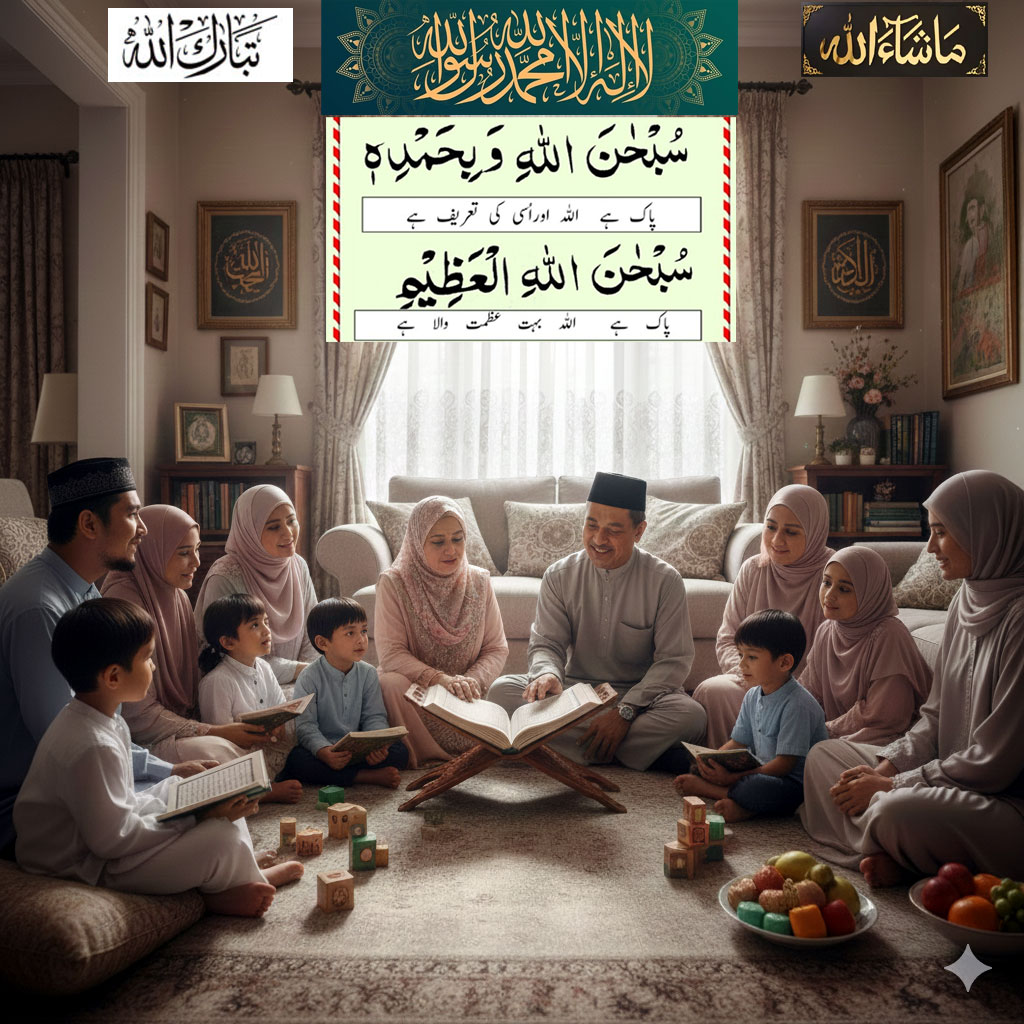
Gharelu ijtema” (گھریلو اجتماع) is an Urdu/Hindi term that translates to “domestic or household gathering“. The word ijtema (اجتماع) means “gathering” or “assembly,” while gharelu refers to “domestic” or “household”. [1, 2, 3, 4]
In a religious context, particularly within some Islamic communities and movements like Tablighi Jamaat and Dawateislami, it refers to a smaller, localized religious meeting held within a home, as opposed to the large-scale public congregations (like the annual Bhopal Ijtema or Bishwa Ijtema in Dhaka). [1, 5, 6, 7]
Purpose and Activities of a Gharelu Ijtema:
The purpose of a gharelu ijtema is to provide a setting for spiritual learning and moral development in a more intimate environment. These gatherings are often organized weekly for community members, including separate arrangements for ladies to participate. [1, 8, 9, 10]
Key activities usually include:
- Recitation of the Quran and Hadith: Scholars or local leaders deliver talks and explain verses from the Quran and sayings of the Prophet.
- Religious Education: The gatherings focus on deepening understanding of Islamic principles, an Islamic way of life, and the six principles of Islam.
- Spiritual Growth: Participants engage in Zikr (remembrance of Allah), Dua (supplication), and listening to Naat (poetry in praise of the Prophet) to foster a stronger connection with Allah.
- Community Building: These meetings help strengthen bonds of brotherhood and sisterhood among Muslims from the same neighborhood or community.
- Moral and Character Development: The sessions aim for the moral reform of individuals, encouraging them to leave sinful activities and become upright members of society. [5, 8, 10, 11, 12, 13]
Essentially, a gharelu ijtema serves as a local, accessible platform for ongoing religious education and community support in daily life. [1]
AI responses may include mistakes.
[1] https://www.facebook.com/MMAH1426/
[2] https://mpcg.ndtv.in/madhya-pradesh-news/bhopal-ijtema-meaning-history-and-significance-9629662
[5] https://en.wikipedia.org/wiki/Bhopal_Tablighi_Ijtema
[6] https://unacademy.com/content/upsc/study-material/government-schemes/bishwa-ijtema/
[7] https://www.instagram.com/p/DFnDyEKvntm/
[8] https://dawateislamiindia.org/blogs/the-weekly-ijtema
[9] https://voiceofbritishmuslimwomen.co.uk/2024/09/17/the-purpose-of-ijtema/
[10] https://ijtema.ansar.org.uk/ijtema-2024-1/
[11] https://dawateislamiindia.org/blogs/the-weekly-ijtema
[12] https://www.ijtema.net/about/purpose
[13] https://www.alhakam.org/the-khuddam-ijtema-a-vital-part-of-training/
A Gharelu Ijtema (Home-Based Congregation) is a small-scale religious gathering typically held within a residence for family members and neighbors to discuss Islamic teachings, offer prayers, and encourage spiritual growth.
Common characteristics of a Gharelu Ijtema include:
- Target Audience: Often specifically organized for women (Khawateen) or family members who may not be able to attend large public congregations.
- Structure: Sessions usually involve reciting the Quran, reading from Islamic books (such as Faizan-e-Sunnat or Muntakhab Ahadith), and discussing daily Sunnahs and etiquette.
- Purpose: To establish a religious environment within the home, foster Islamic education for children, and strengthen community ties through collective worship and supplication (Dua).
Organizations like Dawat-e-Islami provide structured guidelines and pamphlets for conducting these home gatherings to ensure consistency in teachings and practice.
A Gharelu Ijtema (Home-Based Congregation) is a small, intimate religious gathering typically held within a home, focusing on Islamic education, prayer, and spiritual development for family members and neighbors [1]. [1, 2, 3]
Key Characteristics
- Audience: These gatherings often cater to women (Khawateen) and family members who might find it difficult to attend larger public congregations [1].
- Structure: Sessions are structured around core Islamic practices, including:
- Recitation of the Quran [1].
- Reading from established Islamic literature, such as Faizan-e-Sunnat [1].
- Discussions on daily Sunnahs (prophetic traditions) and Islamic etiquette [1].
- Collective worship and supplication (Dua) [1].
- Purpose: The primary goals are to establish a religious environment within the home, facilitate Islamic learning for children, and reinforce community ties through shared faith and worship [1]. [4, 5, 6, 7, 8]
Organizations, such as Dawat-e-Islami, often provide structured guidelines and materials to help hosts ensure consistency in teachings and practice [1].
AI responses may include mistakes.
[1] https://en.wikipedia.org/wiki/Santer%C3%ADa
[2] https://www.youtube.com/watch?v=-vwE4na3sRw
[4] https://link.springer.com/chapter/10.1007/978-981-99-5724-8_7
[6] https://www.quora.com/Why-do-we-dread-Indian-family-gatherings
[7] https://en.wikipedia.org/wiki/Jemaah_Tarbiyah
[8] https://pluralism.org/qur%E2%80%99an-and-qur%E2%80%99anic-recitation
It appears you have provided a comprehensive overview of a Gharelu Ijtema. This practice is a cornerstone of grassroots Islamic dawah (proselytizing), particularly within the Dawat-e-Islami movement, aimed at transforming the domestic environment into a space for spiritual learning.
If you are looking to organize or learn more about these gatherings in 2026, here are the primary resources for structured guidance:
- Official Guidelines: You can download the specific “Gharelu Ijtema” schedules and procedures directly from the Dawat-e-Islami Library, which offers pamphlets in multiple languages.
- Curriculum: Most sessions prioritize reading from Faizan-e-Sunnat. You can access the digital version of this text via the Al-Madina Library app, which is frequently updated with new pedagogical tools.
- Women’s Wing (Islamic Sisters): Since many Gharelu Ijtemas are for women, specific schedules and etiquette for “Islamic Sisters” are managed through the Majlis-e-Khowateen portal.
Key Benefits of the Gharelu Ijtema:
- Modesty & Accessibility: Allows women and the elderly to participate in communal learning without traveling long distances.
- Character Building: Focuses on Madani Inamaat (self-accountability questions) to improve daily conduct.
- Consistency: The short duration (typically 30–60 minutes) makes it sustainable for busy households.