WHAT IS caste hierarchy IN HINDUISM?
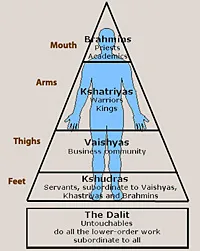
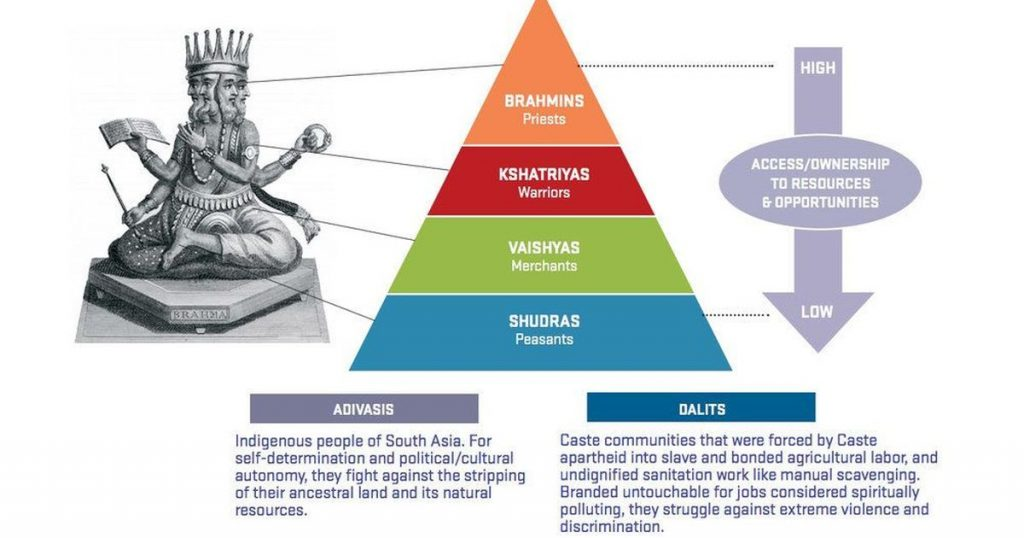
In Hinduism, the caste hierarchy is a traditional system of social stratification, historically based on Varna (four main classes: Brahmins, Kshatriyas, Vaishyas, Shudras) and further divided into thousands of Jatis (sub-castes), determining social status, occupation, and marriage, with Dalits (formerly “Untouchables”) existing outside this Varna system as the most marginalized group. While rooted in ancient texts like the Manusmriti, this system, assigning roles based on birth, became increasingly rigid and discriminatory, though caste-based discrimination is now illegal in India, with affirmative action policies in place.
The Four Varnas (Classes)
- Brahmins: Priests, scholars, and intellectuals (from Brahma’s head).
- Kshatriyas: Warriors, rulers, and administrators (from Brahma’s arms).
- Vaishyas: Merchants, farmers, and traders (from Brahma’s thighs).
- Shudras: Laborers, artisans, and service providers (from Brahma’s feet).
Outside the Varna System
- Dalits (Untouchables): A fifth group considered outside the four Varnas, historically assigned to the most polluting or menial jobs and subjected to severe discrimination and exclusion.
Key Aspects
- Varna & Jati: Varna is the broad four-fold division, while Jati refers to the thousands of specific, birth-based sub-castes that became the practical basis for social life.
- Hierarchy & Occupation: Castes were ranked, dictating behavior and limiting occupations, with higher castes performing intellectual/spiritual roles and lower castes performing manual labor.
- Birth-Based: Membership in a caste is determined by birth, not by achievement.
- Modern Context: The system has faced immense criticism and legal challenges; caste-based discrimination is outlawed in India, and government initiatives aim to uplift marginalized groups (SC/ST/OBC).