
The Manusmriti is criticized for its casteist and misogynistic principles, which advocated for the subjugation of women and the marginalization of oppressed communities through a rigid, birth-based caste system. Critics point to verses that justify social inequality, limit women’s freedoms and rights, and prescribe harsh punishments for lower castes while giving special privileges to upper castes. The text is considered outdated and harmful to social justice, though some scholars argue it has been altered over time.
Caste and social hierarchy
- Institutionalized caste oppression: Critics argue the Manusmriti institutionalizes a caste system based on birth, which justifies the oppression and exploitation of lower-caste groups by a so-called upper caste.
- Harsh punishments: The text is accused of legalizing harsh punishments for Shudras and making special provisions for upper castes, especially Brahmins.
- Varna versus caste: Some defenders of the text claim it proposes a varna (color) system that is not necessarily based on birth and allows for social mobility, citing verses where individuals can move between varnas.
The Manusmṛti (Sanskrit: मनुस्मृति, “The Laws of Manu” or Mānava-Dharmaśāstra) is one of the most authoritative and ancient legal texts within Hinduism, serving as a foundational work on dharma (duty, law, ethics, conduct, and virtues) and social order. It is traditionally attributed to the legendary first man and lawgiver, Manu.
Key Aspects of the Manusmriti
- Content and Structure: The text contains twelve chapters and approximately 2,500 verses in its current form. It addresses various aspects of life and society, including:
- The origin of the world.
- Rules of conduct and moral duties.
- The four social classes (varnas) and the four stages of life (ashramas).
- Education, justice, family values, and laws for kings (rajadharma).
- Marriage laws, including specific, often controversial, age differences between spouses.
- Significance: For millennia, it has been an essential text for understanding Hindu law, ethics, and philosophy, providing insights into ancient Indian civilization. It was one of the many Dharmaśāstras that constituted ancient Hindu social and ethical laws and codes.
- Controversy and Criticism: The Manusmriti is also a subject of significant controversy and criticism, primarily due to its provisions regarding the caste system and the role and rights of women.
- Critics argue it institutionalizes inequality and discrimination.
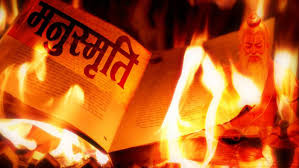
- In a historically significant event, Dr. B.R. Ambedkar publicly burned the text in 1927 to protest caste-based discrimination.
- Defenders sometimes argue that the original text was based on merit (guna) rather than birth and that the text has been heavily interpolated (added to/altered) over the centuries, leading to internal contradictions.
- Modern Relevance: Today, its directives are not legally enforced and many of its rules are considered outdated and incompatible with modern values of equality and human rights. The text is studied primarily for its historical and cultural significance, offering a window into ancient society, but it remains a point of intense political and social debate in contemporary India.
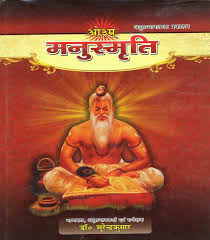
The Manusmṛti (Sanskrit: मनुस्मृति, “The Laws of Manu” or Mānava-Dharmaśāstra) is one of the most authoritative and ancient legal texts within Hinduism, serving as a foundational work on dharma (duty, law, ethics, conduct, and virtues) and social order. It is traditionally attributed to the legendary first man and lawgiver, Manu.
Key Aspects of the Manusmriti
- Content and Structure: The text contains twelve chapters and approximately 2,500 verses in its current form. It addresses various aspects of life and society, including:
- The origin of the world.
- Rules of conduct and moral duties.
- The four social classes (varnas) and the four stages of life (ashramas).
- Education, justice, family values, and laws for kings (rajadharma).
- Marriage laws, including specific, often controversial, age differences between spouses.
- Significance: For millennia, it has been an essential text for understanding Hindu law, ethics, and philosophy, providing insights into ancient Indian civilization. It was one of the many Dharmaśāstras that constituted ancient Hindu social and ethical laws and codes.
- Controversy and Criticism: The Manusmriti is also a subject of significant controversy and criticism, primarily due to its provisions regarding the caste system and the role and rights of women.
- Critics argue it institutionalizes inequality and discrimination.
- In a historically significant event, Dr. B.R. Ambedkar publicly burned the text in 1927 to protest caste-based discrimination.
- Defenders sometimes argue that the original text was based on merit (guna) rather than birth and that the text has been heavily interpolated (added to/altered) over the centuries, leading to internal contradictions.
- Modern Relevance: Today, its directives are not legally enforced and many of its rules are considered outdated and incompatible with modern values of equality and human rights. The text is studied primarily for its historical and cultural significance, offering a window into ancient society, but it remains a point of intense political and social debate in contemporary India.
After giving me half a glass of water to drink, he drank half a glass himself. While giving the message of constitutional equality, the world’s greatest scholar and global honest leader, Hazrat Maulana Sajjad Nomani Sahib, gave the message of saving the Constitution to the country and the world.
And with him, the country’s great thinker, Ambedkarite, writer and historian, Dr. Vilash Kharat ji and I.
On the occasion of Constitution Day, November 26th, the Constitution Protection Struggle Committee was established in the presence of thousands of people in Samrat Nagar Neral, Raigad district of Maharashtra, to launch a nationwide struggle against the conspiracy to weaken democracy in the country through money and influence and against the vote rigging in the Bihar elections.
RJDforIndia
RJD
LaluYadav
TejashwiYadav
Rashtriya_Janata_Dal
satishkumar
maulanasajjadnomani
vilashkharat
आधा गिलास पानी मुझे पिला कर आधा गिलास पानी खुद पिए और संवैधानिक समानता का संदेश देते हुए दुनिया के सबसे बड़े स्कॉलर और वैश्विक ईमानदार नेता हज़रत मौलाना सज्जाद नोमानी साहब जी देश दुनियां में संविधान बचाने का संदेश दिया।
और उनके साथ देश के बड़े चिंतक विचारक,अंबेडकरबादी ,लेखक व इतिहासकार डॉ विलाश ख़रात जी और मै।
देश में लोकतंत्र को पैसे व प्रभाव से कमज़ोर करने की साज़िश और बिहार चुनाव में हूई वोट की लूट के ख़िलाफ़ देशव्यापी संघर्ष के लिए महाराष्ट्र के रायगढ़ जिला अंतर्गत सम्राट नगर नेरल में 26 नवंबर संविधान दिवस के मौक़े पर संविधान सुरक्षा संघर्ष समिति का स्थापना हजारों लोगों की उपस्थिति में किया गया।
مجھے پینے کے لیے آدھا گلاس پانی دینے کے بعد اس نے آدھا گلاس خود پی لیا۔ آئینی مساوات کا پیغام دیتے ہوئے دنیا کے عظیم ترین عالم اور عالمی دیانت دار رہنما حضرت مولانا سجاد نعمانی صاحب نے ملک و دنیا کو آئین کو بچانے کا پیغام دیا۔
اور ان کے ساتھ ملک کے عظیم مفکر، امبیڈکرائٹ، مصنف اور مورخ ڈاکٹر ولاش کھرات جی اور میں۔
26 نومبر کو یوم آئین کے موقع پر مہاراشٹر کے رائے گڑھ ضلع کے سمراٹ نگر نیرل میں ہزاروں لوگوں کی موجودگی میں آئین تحفظ جدوجہد کمیٹی کا قیام عمل میں لایا گیا تاکہ پیسے اور اثر و رسوخ کے ذریعے ملک میں جمہوریت کو کمزور کرنے کی سازش کے خلاف اور بہار انتخابات میں ووٹ کی دھاندلی کے خلاف ملک گیر جدوجہد شروع کی جا سکے۔