
What is Wazu وضو ?
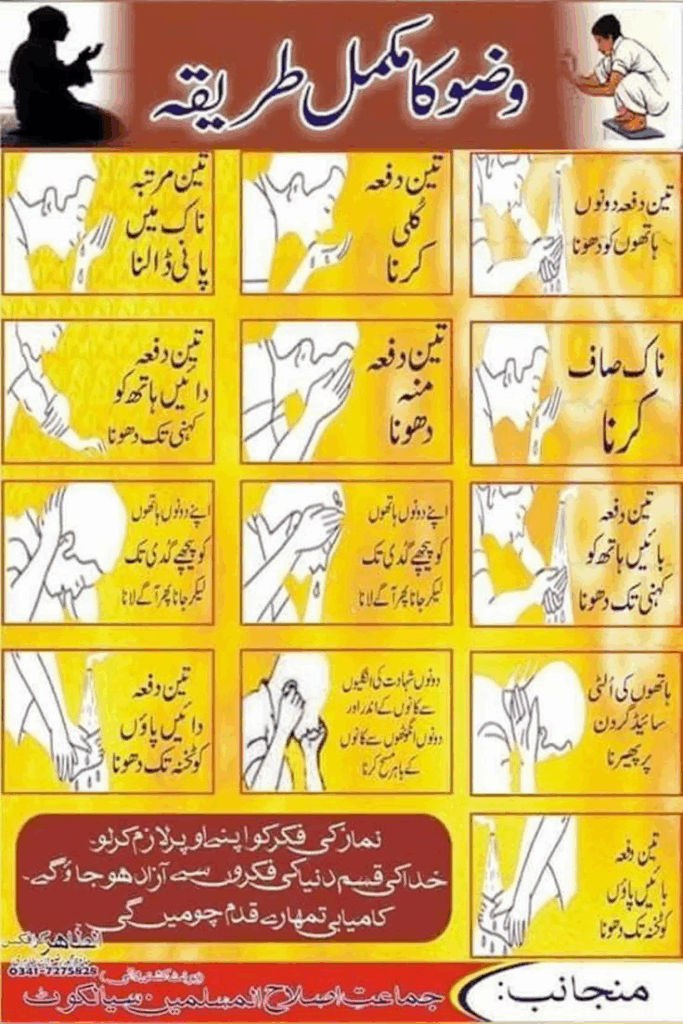
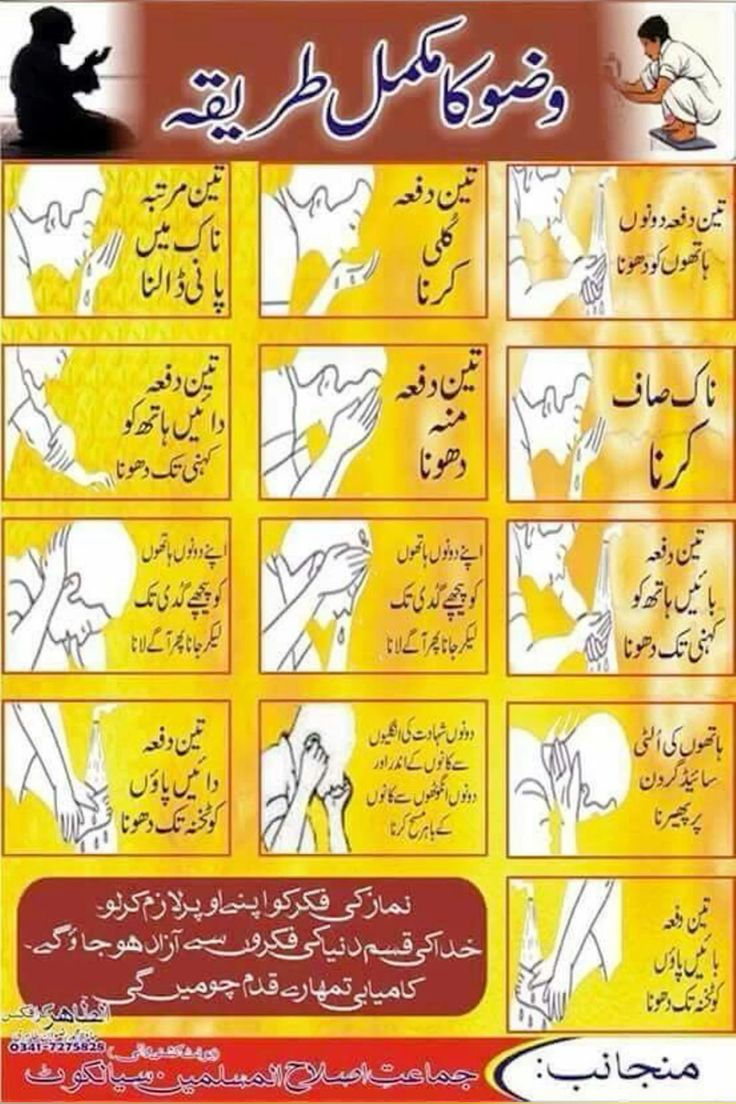
Wudu (Arabic: الوضوء, romanized: al-wuḍūʾ), also spelled as Wazu (Urdu: وضو), is the Islamic procedure for ritual purification of the body through washing certain parts with water. It is a mandatory act of cleanliness (tahara) performed primarily before acts of worship, such as performing formal prayers (Salah or Namaz) or touching the Holy Quran. [1, 2, 3]
Purpose and Significance
The purpose of Wudu is to achieve a state of physical and spiritual purity. In Islam, ritual purity is a prerequisite for connecting with God in prayer. Performing Wudu is believed to help Muslims cleanse themselves of minor sins. [1, 3, 4, 5, 6]
How to Perform Wudu (Step-by-Step)
Wudu involves washing specific body parts in a specific sequence. While there are some variations in specific practices between different schools of thought (madhhab), the core mandatory (fardh) acts are consistent.
- Intention (Niyyah): Form the intention in your heart to perform Wudu for the purpose of worship.
- Say Bismillah: Begin by saying “Bismillah” (in the name of Allah).
- Wash the hands: Wash both hands up to the wrists, three times, making sure water reaches between the fingers.
- Rinse mouth and nose: Rinse the mouth and clean the nostrils by sniffing water in and blowing it out, three times for each.
- Wash the face: Wash the entire face from the hairline to the chin and from ear to ear, three times.
- Wash the arms: Wash both arms from the fingertips up to and including the elbows, three times, starting with the right arm.
- Wipe the head (Masah): Wet the hands and lightly pass them over the head, typically from front to back and then back to front, once.
- Wipe the ears: Use the wet fingers to clean the inside and outside of the ears.
- Wash the feet: Wash both feet up to the ankles, three times, starting with the right foot and ensuring water gets between the toes. [2, 7, 8, 9, 10]
The actions must be performed in order and without long breaks between them. [2]
Invalidating Wudu
Wudu is broken (invalidated) by certain actions or bodily functions, requiring a person to perform it again before the next prayer. These include:
- Urination or defecation
- Passing gas (flatulence)
- Deep sleep
- Light bleeding (depending on the specific school of thought) [2, 11, 12]
For major impurities, a full body wash (Ghusl) is required instead of Wudu. If water is unavailable, a “dry ablution” using clean dust or sand (Tayammum) can be performed. [2]
AI responses may include mistakes.
[1] https://www.fatemimadrasa.com/namaaz-wuzu-significance
[2] https://en.wikipedia.org/wiki/Wudu
[3] https://simple.wikipedia.org/wiki/Wudu
[5] https://solanabali.com/the-transformative-power-of-water-purification-across-cultures/
[6] https://www.quora.com/Why-is-Wudu-important
[8] https://www.mymasjid.ca/beginners-guide-learn-pray-salah/chapter-2/
[9] https://en.wikipedia.org/wiki/Wudu
[10] https://www.youtube.com/watch?v=gZ5eewBnwfg
[11] https://www.rekhta.org/urdudictionary?keyword=%D9%88%D8%B6%D9%88
[12] https://nicsatx.org/resources/salat/wudhu/
What is Wazu وضو ?
Wazu (also spelled
Wudu or Wudhu) is the Islamic procedure for ritual purification using water. It is a mandatory requirement for Muslims before performing formal prayers (Salah) or touching the Holy Quran.
Core Requirements (Fardh)
According to Islamic jurisprudence, there are four mandatory (fardh) acts that must be performed for a Wazu to be valid:
- Washing the face: From the hairline to the chin and from ear to ear.
- Washing the arms: Including the elbows.
- Wiping the head (Masah): Passing wet hands over at least a portion of the head.
- Washing the feet: Up to and including the ankles.
Recommended Steps (Sunnah)
A more complete, traditional Wazu includes additional steps followed by the Prophet Muhammad:
- Intention (Niyyah): Making a silent intention to purify oneself.
- Reciting Bismillah: Starting in the name of Allah.
- Washing hands: To the wrists, three times.
- Rinsing the mouth: Three times.
- Rinsing the nose: Sniffing water into the nostrils three times.
- Wiping the ears: Using wet fingers to clean the inside and behind the ears.
Factors that Invalidate Wazu
Wazu remains valid until “broken” by certain actions, after which it must be performed again before prayer. Common invalidators include:
- Natural bodily functions (urination, defecation, or passing gas).
- Falling into a deep sleep.
- Loss of consciousness.
- Bleeding (in some schools of thought).
Alternatives
- Tayammum: If water is unavailable or its use is harmful due to illness, a “dry ablution” using clean sand or earth is permitted.
- Ghusl: For major ritual impurities (such as after sexual intercourse or menstruation), a full-body bath called Ghusl is required instead of just Wazu.