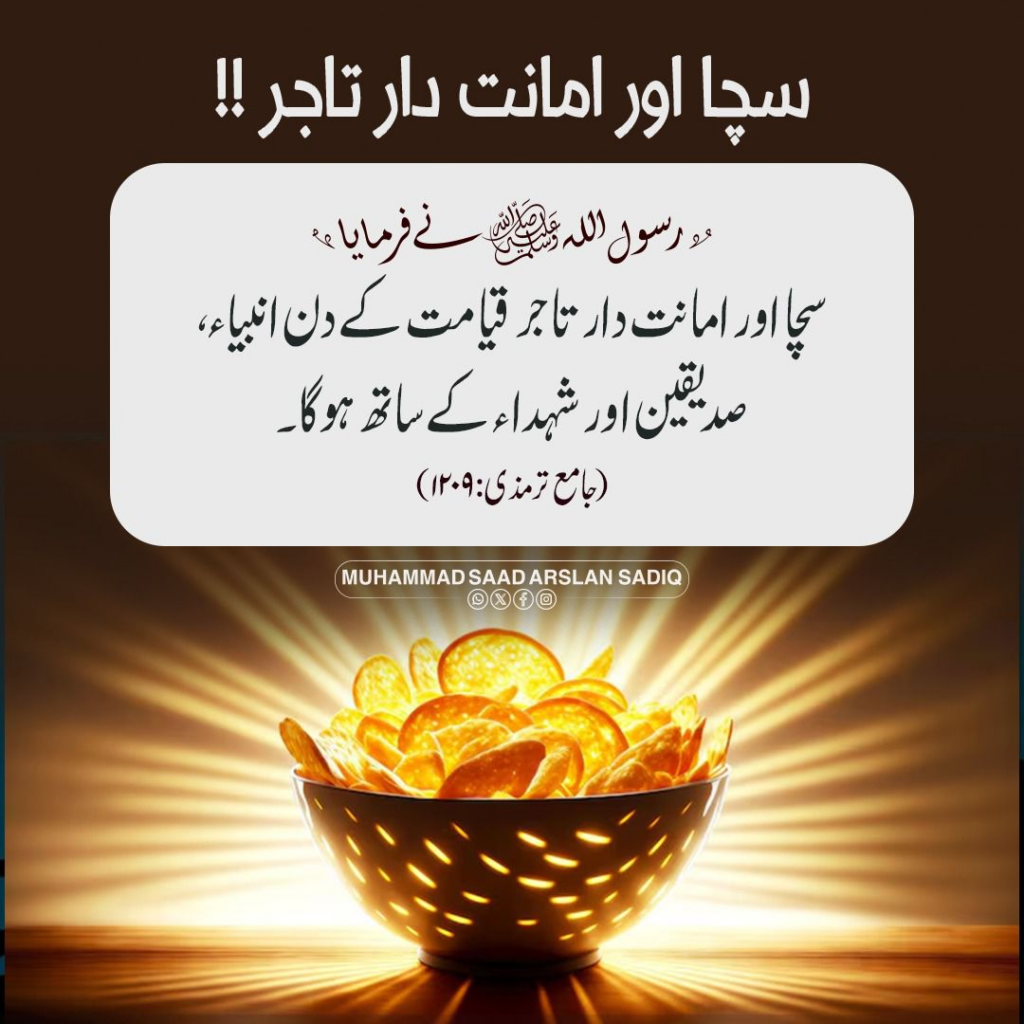
Islamic teachings on doing business emphasize that commerce is a noble, permissible, and encouraged activity, provided it is conducted with honesty, fairness, and strict adherence to Shariah principles. The foundation of Islamic business ethics is to create a fair, transparent marketplace that benefits both the individual and society while maintaining consciousness of Allah (God). [1, 2, 3, 4]
Key principles of doing business in Islam include:
1. Honesty and Integrity (Al-Amaanah)
- Transparency: Sellers must be honest about their products, disclosing all defects and not hiding flaws to secure a higher price.
- No Fraud or Deceit: Fraud is strictly forbidden.
- Truthful Advertising: Marketing should be honest, avoiding false claims or exaggerated advertisements. [1, 6, 7, 8, 9]
2. Fair Dealing and Justice (Al-‘Adl)
- Accurate Weights and Measures: Islam demands precision and fairness in weighing and measuring goods, with harsh warnings against cheating in this regard.
- Fair Pricing: Prices should be determined by market forces, not by exploitation or extortionate profit margins.
- Mutual Consent: Contracts and transactions must be entered into voluntarily by both parties, with clear understanding and no coercion. [1, 6, 7, 8, 10]
3. Prohibitions in Islamic Business
- Riba (Interest/Usury): Dealing in, paying, or taking interest is strictly forbidden (Haram). The Quran clearly distinguishes between trade (halal) and riba (haram).
- Gharar (Excessive Uncertainty): Transactions with excessive risk, hidden information, or uncertain outcomes (gambling-like behavior) are forbidden.
- Prohibited Items: Trading in commodities that are harmful, impure, or forbidden (such as alcohol, pork, or gambling) is prohibited.
- Monopoly and Hoarding: Hoarding goods to drive up prices (manipulation) is discouraged to prevent economic injustice. [1, 4, 6, 11, 12]
4. Ethical Conduct and Social Responsibility
- Kindness in Transactions: Sellers are encouraged to be easy-going, flexible, and polite, especially when dealing with debtors in financial hardship.
- Excellence (Itqan): Businesses should strive for high quality, excellence, and efficiency, aligning with the prophetic tradition of perfecting one’s work.
- Charity and Social Impact: Businesses should benefit society, provide employment, and pay Zakat (mandatory charity) if they meet the threshold. [3, 13, 14, 15, 16]
5. Wealth and Intentions
- Wealth as a Means: Wealth is viewed as a blessing from Allah intended for beneficial use, not just for greed or excessive accumulation.
- Contentment: True wealth is considered to be contentment of the heart, rather than just material possessions. [17]
In summary, Islam encourages entrepreneurship and trade, but it imposes a ethical framework that prioritizes human dignity, fairness, and accountability over unrestricted profit-seeking. [1, 3, 6, 18, 19]
AI responses may include mistakes.
[1] https://www.researchgate.net/publication/268002558_Islamic_Business_Ethics
[3] https://www.linkedin.com/pulse/building-trust-through-quality-islamic-approach-business-sarwar-sl4bf
[6] https://aims.education/key-principles-of-business-in-islam/
[7] https://www.ijcrt.org/papers/IJCRT1892275.pdf
[9] https://www.dompetdhuafa.org/en/a-prayer-for-prosperous-business-and-blessings-in-livelihood/
[10] https://appscenic.com/blog/is-dropshipping-haram/
[11] https://quranica.com/articles/quranic-verses-about-business/
[12] https://www.linkedin.com/pulse/principles-business-islam-saba-yaseen
[13] https://islamqa.info/en/answers/134621
[14] https://www.paperpublications.org/upload/book/ISLAMIC%20BUSINESS%20MORAL%20PRINCIPLES-25.pdf
[15] https://smbf.global/top-5-islamic-business-principles-for-success/
[16] https://blog.zoya.finance/6-islamic-principles-for-achieving-financial-wellbeing/
[18] https://archive.aessweb.com/index.php/5006/article/download/4144/6408