
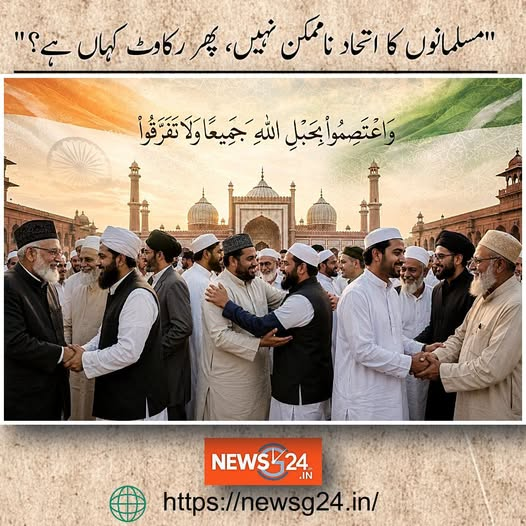
مسلمانوں کے درمیان اتحاد ممکن نہیں، یہ تصور نہ صرف حقیقت کے خلاف ہے بلکہ اسلامی تعلیمات کی روح سے بھی مطابقت نہیں رکھتا۔ حقیقت یہ ہے کہ اگر مسلمان اپنے دین کی اصل تعلیمات اور قرآن کے آفاقی پیغام کو سمجھ لیں تو ان کے درمیان اتحاد پیدا کرنا دنیا کی کسی بھی دوسری قوم یا مذہبی گروہ کے مقابلے میں کہیں زیادہ آسان اور پائیدار ہو سکتا ہے۔
مسلمانوں میں پائے جانے والے اختلافات کی بنیادی وجہ مختلف مسالک کا وجود نہیں، بلکہ اسلام کی حقیقی تعلیمات سے دوری اور اس کے وسیع تر اجتماعی مقاصد سے غفلت ہے۔ مسالک علمی تنوع کی علامت ہیں، لیکن جب یہی تنوع تعصب، نفرت اور باہمی کشمکش میں تبدیل ہو جائے تو امت کی اجتماعی طاقت کمزور پڑ جاتی ہے۔
تعصب، نفرت اور باہمی کشمکش عوام سے زیادہ علماء کرام کر رہے ہیں ۔ جان بوجھ کر عام مسلمانوں کو آپس میں بانٹ کر رکھنا چاہتے ہیں ۔ اس تقسیم کے لئے ان کی کیا مجبوری ہے ہم اس پر یہاں بات نہیں کرسکتے ، ممکن ہے کہ اس کا کوئی جواز علماء کرام نے تلاش رکھا ہو لیکن پھر بھی میں پورے یقین اور اعتماد سے کہہ سکتا ہوں کہ ایسا کوئی جواز اسلامی نہیں ہوسکتا۔
سورۂ آل عمران کی آیت نمبر 64 میں اللہ فرماتا ہے:
“کہہ دیجیے! اے اہلِ کتاب! آؤ ایک ایسی بات کی طرف جو ہمارے اور تمہارے درمیان یکساں ہے کہ ہم اللہ کے سوا کسی کی عبادت نہ کریں، اس کے ساتھ کسی کو شریک نہ ٹھہرائیں اور ہم میں سے کوئی کسی کو اللہ کے سوا رب نہ بنائے۔”
یہ آیتِ کریمہ بین المذاہب مکالمے، دعوتِ دین اور مشترک بنیادوں پر اتحاد کی ایک عظیم قرآنی حکمت پیش کرتی ہے۔ اگرچہ اس کا اصل خطاب اہلِ کتاب ، یہود و نصاریٰ سے ہے، لیکن اس کے اندر موجود اصول مسلمانوں کے داخلی اختلافات کو کم کرنے اور اتحاد پیدا کرنے کے لیے بھی نہایت مؤثر رہنمائی فراہم کرتے ہیں۔
مفسرین کے مطابق یہ آیت بنیادی طور پر نجران کے عیسائی وفد کے بارے میں نازل ہوئی، جو رسول اللہ ﷺ سے عقائدپر گفتگو کے لیے مدینہ آیا تھا۔ جب کئی دن کے مباحثے کے باوجود اختلاف برقرار رہا تو قرآن نے ایک اصولی راستہ پیش کیا، اختلافی نکات کو کچھ دیر کے لیے چھوڑ کر ان بنیادی امور پر اتفاق کیا جائے جو سب کے درمیان مشترک ہیں۔
یہ دراصل “نقطۂ اشتراک” (Common Ground) کی قرآنی حکمت ہے۔
بھارت میں مسلمانوں کے مختلف دینی مکاتبِ فکر موجود ہیں، جن میں دیوبندی، بریلوی، اہل حدیث، جماعت اسلامی، شیعہ اور مختلف صوفی سلسلے شامل ہیں۔ ان کے درمیان بعض فقہی، اعتقادی اور تاریخی اختلافات موجود ہیں، لیکن ان اختلافات کے باوجود ان کے درمیان اتفاق کا دائرہ کہیں زیادہ وسیع ہے۔
اگرمذکورہ آیت کے اصول کو اپنایا جائے تو سوال یہ ہوگا کہ “کلمۃ سواء” یعنی وہ مشترک بنیاد کیا ہے جس پر سب جمع ہو سکتے ہیں؟ تو اس کا جواب یہ ہے کہ مشترک عقائد، اللہ کی وحدانیت، ختم نبوت،قرآن مجید کی حقانیت، رسول اللہ ﷺ کی محبت، نماز، روزہ، زکوٰۃ اور حج کی فرضیت، اسلامی اخلاقیات، امتِ مسلمہ کی خیر خواہی وغیرہ ۔ یہ وہ بنیادیں ہیں جن پر تقریباً تمام مسلمان متفق ہیں۔
اتحاد کے لیے عملی تدابیر کی جائیں، اختلاف سے پہلے اتفاق کو نمایاں کیا جائے۔ آج اکثر منبروں، جلسوں اور سوشل میڈیا پر اختلافی مسائل زیادہ نمایاں ہوتے ہیں۔ ضرورت اس بات کی ہے کہ مشترک عقائد پر گفتگو ہو۔ رسول اللہ ﷺ کی سیرت کو مرکز بنایا جائے۔ قرآن فہمی کی تحریک چلائی جائے۔ لوگوں کو یہ احساس دلایا جائے کہ اتفاق کے دائرے اختلاف کے دائرے سے کہیں زیادہ وسیع ہیں۔ تمام مکاتبِ فکر کو یہ اصول قبول کرنا ہوگا کہ “ہم پہلے مسلمان ہیں، بعد میں کسی مسلک سے وابستہ ہیں۔” جب شناخت کی بنیاد اسلام ہوگی تو مسلکی تعصب ضرور کم ہوگا۔
بھارت میں مسلمانوں کو جن مسائل کا سامنا ہے وہ تعلیمی پسماندگی، معاشی کمزوری، سماجی انتشار، نوجوانوں میں دینی و اخلاقی بحران ہیں۔ خاص بات یہ ہے کہ ان مسائل کا تعلق کسی ایک مسلک سے نہیں بلکہ پوری ملت سے ہے۔ اس لیے مشترکہ تعلیمی منصوبے، اسکالرشپ فنڈ، ہنر مندی کے مراکز، سماجی خدمت کے پروگرام کو مشترکہ طور پر چلایا جائے۔
بہت سے اختلافات علمی ہوتے ہیں، عقیدۂ اسلام سے خارج کرنے والے نہیں۔ علماء کو چاہیے کہ مخالف رائے کو فوراً کفر یا گمراہی قرار نہ دیں۔اختلافِ رائے کو برداشت کرنا سیکھیں۔علمی مناظرے کو دشمنی میں تبدیل نہ ہونے دیں۔
بھارت میں مختلف مکاتبِ فکر کے معتبر علماء پر مشتمل ایک مستقل قومی فورم قائم کی جائے ، جس کے مقاصد، تنازعات کا حل،مشترکہ بیانات، قومی مسائل پر رہنمائی، اور نوجوانوں کی فکری تربیت ہونی چاہئے۔
آج مسلکی نفرت کا بڑا ذریعہ سوشل میڈیا بن چکا ہے۔ ضروری ہے کہ نفرت انگیز کلپس سے اجتناب کیا جائے۔اشتعال انگیز مقررین کی حوصلہ شکنی ہو۔ مثبت اور تعمیری مواد کو فروغ دیا جائے۔ اسلام اور مسلمانوں کے خلاف کوئی فیک نیڑیٹیو نہ بن پائے اس کے لئے مختلف سوشل میڈیا پلیٹ فارم تیار کئے جائیں۔ اس تناظر میں راقم کی دیکھ ریکھ میں نیوز جی 24 کاقیام پہلے ہی عمل لایا جاچکا ہے ۔ علماء اور اکابرین چاہیں تو اسی کو فروغ دے سکتے ہیں یا پھر دوسرے متبادل کی طرف بھی جاسکتے ہیں۔
اگرقرآن پاک کی مذکورہ آیت کے “کلمۃ سواء” والے اصول کو اپنایا جائے تو مسلکی کشیدگی میں نمایاں کمی آ سکتی ہے مسلمانوں کی اجتماعی قوت میں اضافہ ہو سکتا ہے۔تعلیمی اور سماجی ترقی کے امکانات بڑھ سکتے ہیں۔نوجوان نسل مسلکی جھگڑوں کے بجائے علمی اور تعمیری سرگرمیوں کی طرف متوجہ ہو سکتی ہے۔ملت کے اجتماعی مسائل کے حل کے لیے ایک مؤثر قومی آواز پیدا ہو سکتی ہے۔
ایک سب سے زیادہ اہم حقیقت یہ ہے کہ مذکورہ آیت کا مقصد اختلافات کو مٹانا نہیں بلکہ اختلاف کے باوجود تعاون اور احترام کا راستہ پیدا کرنا ہے۔ قرآن نے اہل کتاب جیسے بڑے اعتقادی اختلاف رکھنے والوں سے بھی “کلمۃ سواء” کی دعوت دی۔ لہٰذا مسلمانوں کے مختلف مسالک کے درمیان تو اس اصول کے نفاذ کے امکانات کہیں زیادہ روشن ہیں۔
علامہ ابن تیمیہؒ کا ایک مشہور اصول ہے
“جن امور میں ہم متفق ہیں ان میں تعاون کریں، اور جن میں اختلاف ہے ان میں ایک دوسرے کو معذور سمجھیں۔”
اگر یہی قرآنی حکمت بھارت کے مسلم معاشرے میں رائج ہو جائے تو مسلکی اختلافات ختم نہ بھی ہوں، تو انہیں تصادم کے بجائے تنوع اور علمی اختلاف کی شکل دی جا سکتی ہے، اور یہی اتحاد کی حقیقت پسندانہ اور پائیدار بنیاد ہوگی۔ باقی اس تعلق سے آپ کیا سوچتے ہیں کمنٹ میں لکھیں تاکہ مزید امکانات کو شامل کیا جاسکے۔ شکریہ
شفیق فیضی
نوٹ: پیج کو فالو اور پوسٹ کو شئر ضرور کریں
Unity among Muslims is not possible, this idea is not only against reality but also not in line with the spirit of Islamic teachings. The fact is that if Muslims understand the original teachings of their religion and the universal message of the Quran, then creating unity among them can be much easier and more lasting than any other nation or religious group in the world.
The main reason for the differences found among Muslims is not the existence of different schools of thought, but their distance from the true teachings of Islam and their neglect of its broader collective objectives. Schools of thought are a sign of intellectual diversity, but when this diversity turns into prejudice, hatred and mutual conflict, the collective strength of the Ummah weakens.
Prejudice, hatred and mutual conflict are being created more by scholars than by the masses. They deliberately want to divide ordinary Muslims among themselves. We cannot discuss what their compulsion is for this division here. It is possible that the scholars have found some justification for it, but still I can say with full certainty and confidence that such a justification cannot be Islamic.
In verse 64 of Surah Al-Imran, Allah says:
“Say! O People of the Book! Come to a word that is common between us and you: that we worship none but Allah, and that we associate no partners with Him, and that none of us takes anyone as lord besides Allah.”
This verse presents a great Quranic wisdom of interfaith dialogue, invitation to religion, and unity on common grounds. Although its original address is to the People of the Book, Jews and Christians, the principles contained within it also provide very effective guidance for reducing internal differences among Muslims and forging unity.
According to commentators, this verse was primarily revealed regarding the Christian delegation from Najran, who came to Medina to discuss beliefs with the Messenger of Allah (ﷺ). When disagreements persisted despite several days of discussion, the Quran presented a principled way out, setting aside points of disagreement for a while and agreeing on basic matters that are common to all.
This is actually the Quranic wisdom of “Common Ground”.
There are various religious schools of thought of Muslims in India, including Deobandi, Barelvi, Ahle Hadith, Jamaat-e-Islami, Shia and various Sufi orders. There are some jurisprudential, doctrinal and historical differences among them, but despite these differences, the scope of agreement between them is much wider.
If the principle of the aforementioned verse is adopted, the question would be what is the “Kalima Sahih” i.e. what is the common ground on which all can unite? So the answer is that common beliefs, the oneness of Allah, the finality of the Prophethood, the truthfulness of the Holy Quran, love for the Messenger of Allah (ﷺ), prayer, fasting, the obligation of Zakat and Hajj, Islamic ethics, goodwill towards the Muslim Ummah, etc. These are the foundations on which almost all Muslims agree.
Practical measures should be taken for unity, and consensus should be highlighted before disagreement. Today, most of the controversial issues are more prominent on pulpits, rallies and social media. There is a need to discuss common beliefs. The biography of the Prophet Muhammad (peace be upon him) should be made the center. A movement for understanding the Quran should be launched. People should be made to realize that the circle of agreement is much wider than the circle of disagreement. All schools of thought should accept the principle that “We are Muslims first, and then we are affiliated with a sect.” When the basis of identity is Islam, sectarian prejudice will definitely decrease.
The problems that Muslims in India are facing are educational backwardness, economic weakness, social unrest, religious and moral crisis among the youth. The special thing is that these problems are not related to any one sect but to the entire nation. Therefore, joint educational projects, scholarship funds, skill centers, social service programs should be run jointly.
Many differences are academic, not ones that exclude from the faith of Islam. Scholars should not immediately declare opposing opinions as disbelief or misguidance. Learn to tolerate differences of opinion. Do not let academic debate turn into hostility.
A permanent national forum consisting of respected scholars of different schools of thought should be established in India, whose objectives should be to resolve disputes, issue joint statements, guide on national issues, and intellectual training of the youth.
Today, social media has become a major source of sectarian hatred. It is necessary to avoid hateful clips. Insulting speakers should be discouraged. Positive and constructive content should be promoted. Various social media platforms should be developed to prevent any fake news against Islam and Muslims. In this context, the establishment of News G24 under the supervision of Rakim has already been implemented. Ulema and scholars can promote it if they want or they can also go for other alternatives.
If the principle of “Kalimat-e-Sahwi” of the above verse of the Holy Quran is adopted, then sectarian tension can be significantly reduced and the collective strength of Muslims can increase. The possibilities of educational and social development can increase. The young generation can be attracted to scientific and constructive activities instead of sectarian disputes. An effective national voice can be created to solve the collective problems of the nation.
One of the most important facts is that the aim of the above verse is not to erase differences, but to create a path of cooperation and respect despite differences. The Quran invited “Kalimat-e-Sahwi” even from those who have major differences of belief, such as the People of the Book. Therefore, the possibilities of implementing this principle among different schools of thought of Muslims are much brighter.
A famous principle of Allama Ibn Taymiyyah is
“Cooperate in matters on which we agree, and in which we disagree
मुसलमानों में एकता मुमकिन नहीं है, यह सोच न सिर्फ़ असलियत के खिलाफ़ है, बल्कि इस्लामी शिक्षाओं की भावना के भी मुताबिक नहीं है। सच तो यह है कि अगर मुसलमान अपने धर्म की असली शिक्षाओं और कुरान के यूनिवर्सल मैसेज को समझ लें, तो उनके बीच एकता बनाना दुनिया के किसी भी दूसरे देश या धार्मिक ग्रुप के मुकाबले कहीं ज़्यादा आसान और लंबे समय तक चलने वाला हो सकता है।
मुसलमानों में पाए जाने वाले मतभेदों की मुख्य वजह अलग-अलग सोच का होना नहीं है, बल्कि इस्लाम की सच्ची शिक्षाओं से उनकी दूरी और इसके बड़े सामूहिक मकसदों को नज़रअंदाज़ करना है। सोच के स्कूल दिमागी अलग-अलग सोच की निशानी हैं, लेकिन जब यह अलग-अलग सोच भेदभाव, नफ़रत और आपसी लड़ाई में बदल जाती है, तो उम्मा की सामूहिक ताकत कमज़ोर हो जाती है।
भेदभाव, नफ़रत और आपसी लड़ाई आम लोगों से ज़्यादा जानकार पैदा कर रहे हैं। वे जानबूझकर आम मुसलमानों को आपस में बांटना चाहते हैं। हम यहां इस बात पर बात नहीं कर सकते कि इस बंटवारे के लिए उनकी क्या मजबूरी है। हो सकता है कि जानकारों ने इसके लिए कोई वजह ढूंढ ली हो, लेकिन फिर भी मैं पूरे यकीन और भरोसे के साथ कह सकता हूं कि ऐसी कोई वजह इस्लामी नहीं हो सकती।
सूरह अल-इमरान की आयत 64 में अल्लाह कहते हैं:
“कहो! ऐ किताब वालों! एक ऐसी बात पर आओ जो हमारे और तुम्हारे बीच आम है: कि हम अल्लाह के सिवा किसी की इबादत न करें, और उसके साथ किसी को साझी न ठहराएँ, और हममें से कोई अल्लाह के अलावा किसी को रब न बनाए।”
यह आयत अलग-अलग धर्मों के बीच बातचीत, धर्म के लिए बुलावा और आम बातों पर एकता की एक बड़ी कुरानी समझ बताती है। हालाँकि इसका असली संबोधन किताब वालों, यहूदियों और ईसाइयों के लिए है, लेकिन इसमें दिए गए उसूल मुसलमानों के बीच अंदरूनी मतभेदों को कम करने और एकता बनाने के लिए बहुत असरदार गाइडेंस भी देते हैं।
कमेंट करने वालों के मुताबिक, यह आयत खास तौर पर नज़रान से ईसाई ग्रुप के बारे में बताई गई थी, जो अल्लाह के रसूल (सल्लल्लाहु अलैहि वसल्लम) के साथ अपने विश्वासों पर बात करने के लिए मदीना आया था। जब कई दिनों की बातचीत के बाद भी मतभेद बने रहे, तो कुरान ने एक उसूल वाला रास्ता बताया, जिसमें कुछ समय के लिए मतभेदों को अलग रखकर उन बुनियादी बातों पर सहमति जताई गई जो सभी के लिए आम हैं।
यह असल में “कॉमन ग्राउंड” की कुरानी समझ है।
भारत में मुसलमानों के अलग-अलग धार्मिक स्कूल हैं, जिनमें देवबंदी, बरेलवी, अहले हदीस, जमात-ए-इस्लामी, शिया और कई सूफी पंथ शामिल हैं। उनके बीच कुछ कानूनी, सैद्धांतिक और ऐतिहासिक मतभेद हैं, लेकिन इन मतभेदों के बावजूद, उनके बीच सहमति का दायरा बहुत बड़ा है।
अगर ऊपर बताई गई आयत के सिद्धांत को अपनाया जाए, तो सवाल यह होगा कि “कलमा सहीह” क्या है, यानी वह कौन सी आम ज़मीन है जिस पर सभी एक हो सकते हैं? तो इसका जवाब है कि आम विश्वास, अल्लाह का एक होना, नबी का आखिरी होना, पवित्र कुरान की सच्चाई, अल्लाह के रसूल (सल्लल्लाहु अलैहि वसल्लम) के लिए प्यार, नमाज़, रोज़ा, ज़कात और हज का फ़र्ज़, इस्लामी नैतिकता, मुस्लिम उम्माह के प्रति अच्छा इरादा, वगैरह। ये वे बुनियाद हैं जिन पर लगभग सभी मुसलमान सहमत हैं।
एकता के लिए प्रैक्टिकल कदम उठाए जाने चाहिए, और असहमति से पहले आम सहमति पर ज़ोर दिया जाना चाहिए। आज ज़्यादातर विवादित मुद्दे पल्पिट, रैलियों और सोशल मीडिया पर ज़्यादा छाए रहते हैं। आम मान्यताओं पर चर्चा करने की ज़रूरत है। पैगंबर मुहम्मद (सल्लल्लाहु अलैहि वसल्लम) की जीवनी को सेंटर बनाया जाना चाहिए। कुरान को समझने के लिए एक मूवमेंट शुरू किया जाना चाहिए। लोगों को यह एहसास दिलाया जाना चाहिए कि सहमति का दायरा असहमति के दायरे से कहीं ज़्यादा बड़ा होता है। सभी सोच वाले स्कूलों को यह मानना चाहिए कि “हम पहले मुसलमान हैं, और फिर हम किसी फिरके से जुड़े हैं।” जब पहचान का आधार इस्लाम होगा, तो फिरकापरस्ती का भेदभाव ज़रूर कम होगा।
भारत में मुसलमानों को जिन समस्याओं का सामना करना पड़ रहा है, वे हैं पढ़ाई में पिछड़ापन, आर्थिक कमज़ोरी, सामाजिक अशांति, युवाओं में धार्मिक और नैतिक संकट। खास बात यह है कि ये समस्याएं किसी एक फिरके से नहीं बल्कि पूरे देश से जुड़ी हैं। इसलिए, मिलकर एजुकेशनल प्रोजेक्ट, स्कॉलरशिप फंड, स्किल सेंटर, सोशल सर्विस प्रोग्राम चलाए जाने चाहिए।
कई मतभेद एकेडमिक होते हैं, वे नहीं जो इस्लाम के विश्वास से बाहर करते हैं। विद्वानों को विरोधी राय को तुरंत नास्तिकता या गुमराही नहीं कह देना चाहिए। राय के मतभेदों को बर्दाश्त करना सीखें। एकेडमिक बहस को दुश्मनी में न बदलने दें।
भारत में अलग-अलग सोच के जाने-माने विद्वानों का एक परमानेंट नेशनल फोरम बनाया जाना चाहिए, जिसका मकसद झगड़ों को सुलझाना, जॉइंट स्टेटमेंट जारी करना, नेशनल मुद्दों पर गाइड करना और युवाओं को इंटेलेक्चुअल ट्रेनिंग देना होना चाहिए।
आज, सोशल मीडिया सांप्रदायिक नफरत का एक बड़ा सोर्स बन गया है। नफरत फैलाने वाले क्लिप से बचना ज़रूरी है। बेइज्ज़ती करने वाले बोलने वालों को रोका जाना चाहिए। पॉजिटिव और कंस्ट्रक्टिव कंटेंट को बढ़ावा दिया जाना चाहिए। इस्लाम और मुसलमानों के खिलाफ किसी भी फेक न्यूज़ को रोकने के लिए अलग-अलग सोशल मीडिया प्लेटफॉर्म डेवलप किए जाने चाहिए। इस संदर्भ में, न्यूज़ G24 की देखरेख में स्थापना की गई।